

Celebrating Day of the Seafarer 2023
As we commemorate the Day of the Seafarer, the Caribbean Shipping Association (CSA) takes this opportunity to honor and celebrate the dedicated men and women who play an indispensable role in global trade. On this special day, we recognize the tireless efforts, resilience, and sacrifices made by seafarers who navigate our oceans, connecting nations, and fuelling economic growth worldwide.
Seafarers are crucial to this industry, facilitating the transportation of goods across the globe. From the cruise ships that carry tourists to the cargo vessels delivering essential commodities, these skilled professionals enable international trade and ensure the world keeps moving forward. They face numerous challenges, including long periods away from home, rough weather conditions, and the constant need to adapt to diverse cultures and languages.
Across the region, numerous bodies such as the Maritime Authority of Jamaica, held special activities to mark the ocassion.
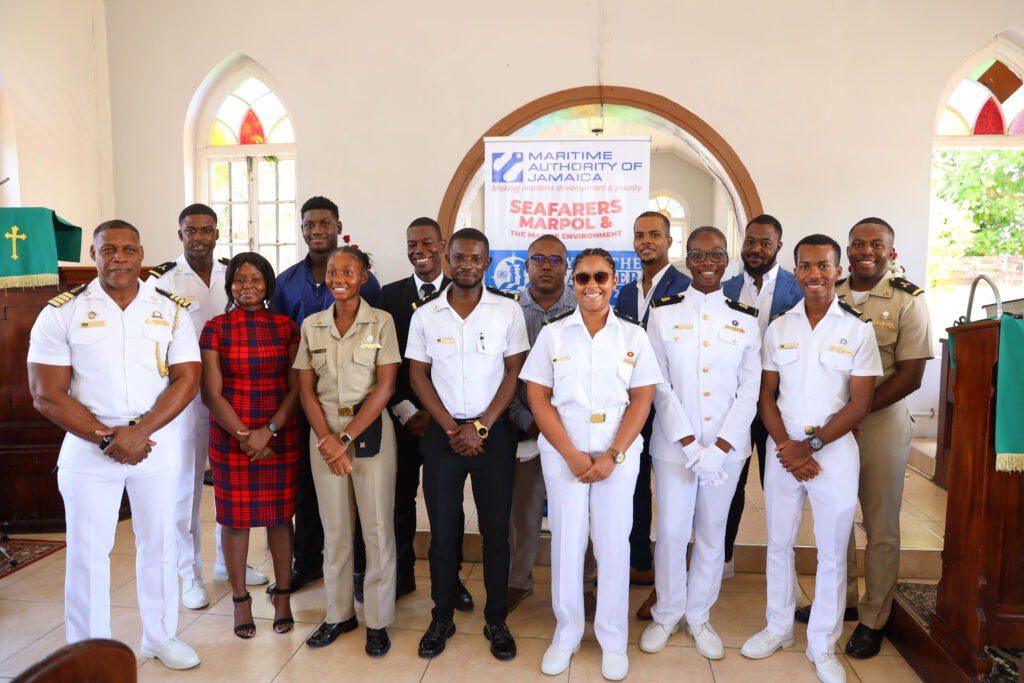


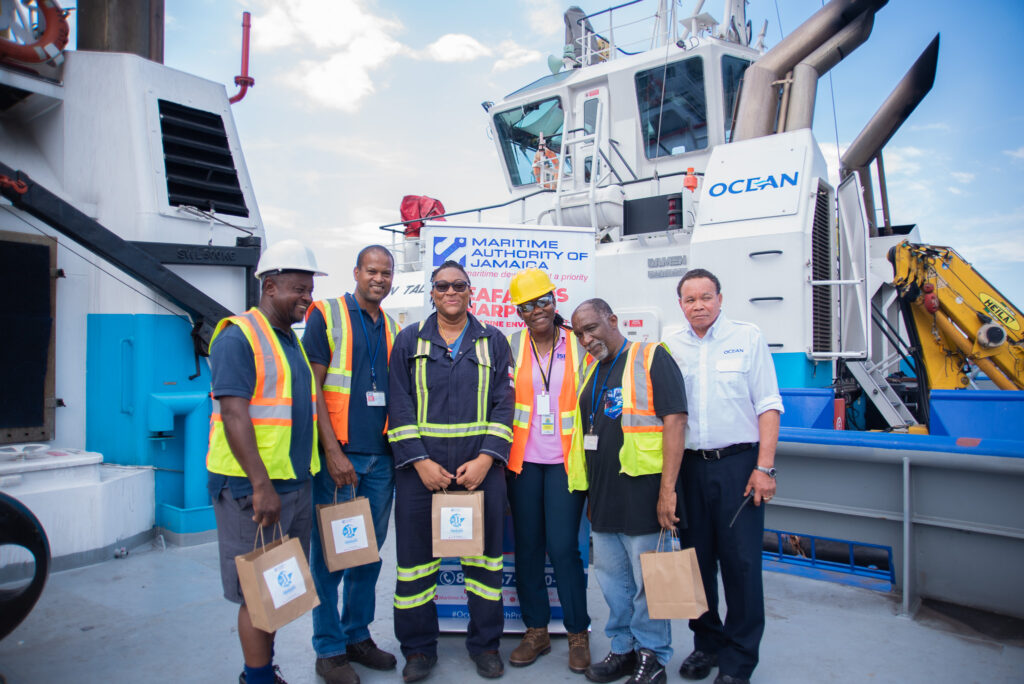
In this year’s commemoration of the day, the International Maritime Organization (IMO) will celebrate the theme “MARPOL at 5- – Our commitment goes on”. It serves as recognition of the role seafarers play in protecting the marine environment.
IMO General-Secretary Kitack Lim, in his address, said “As the maritime sector continuously works towards making shipping more environmentally sound and sustainable, seafarers play an increasingly important role in helping to protect the health of our ocean and planet.”
Lim continued, “As the shipping industry accelerates its support of the global efforts to combat climate change by moving towards decarbonization, seafarers’ voices and actions are key to ensuring a just transition to a zero-carbon future. All this is to protect our precious oceans, which are the lifeblood of the planet.”
The CSA recognizes the importance of investing in the next generation of seafarers. As technology continues to transform the maritime industry, it is crucial to equip aspiring seafarers with the necessary skills and knowledge. Educational institutions, maritime organizations, and governments must collaborate to provide quality training programs and career opportunities, ensuring a steady supply of well-trained seafarers who can navigate the ever-changing maritime landscape.
Related posts
CSA conference opens with critical discussions on industry challenges
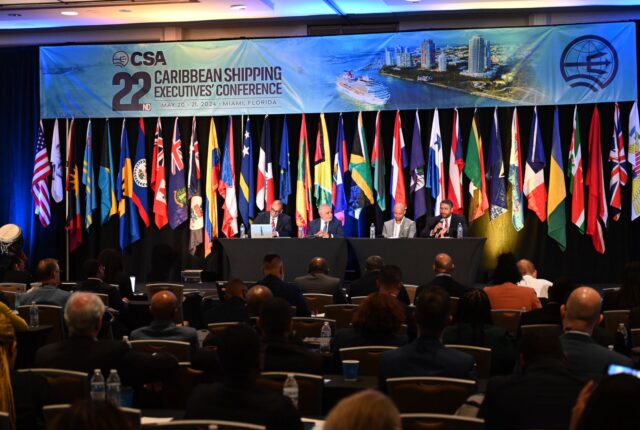
The Caribbean Shipping Association (CSA) kicked off the 22nd annual Caribbean Sh
Regional executives converge for Caribbean Shipping Association conference in Miami
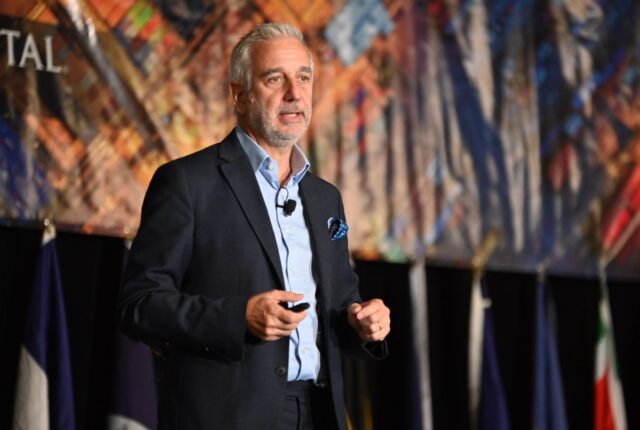
The Caribbean Shipping Executives’ Conference (CSEC) of the Caribbean Shipping

Former CSA President elected head of Shipping Association of Jamaica
Corah Ann Robertson Sylvester was elected president of the Shipping Association