
Regional executives converge for Caribbean Shipping Association conference in Miami
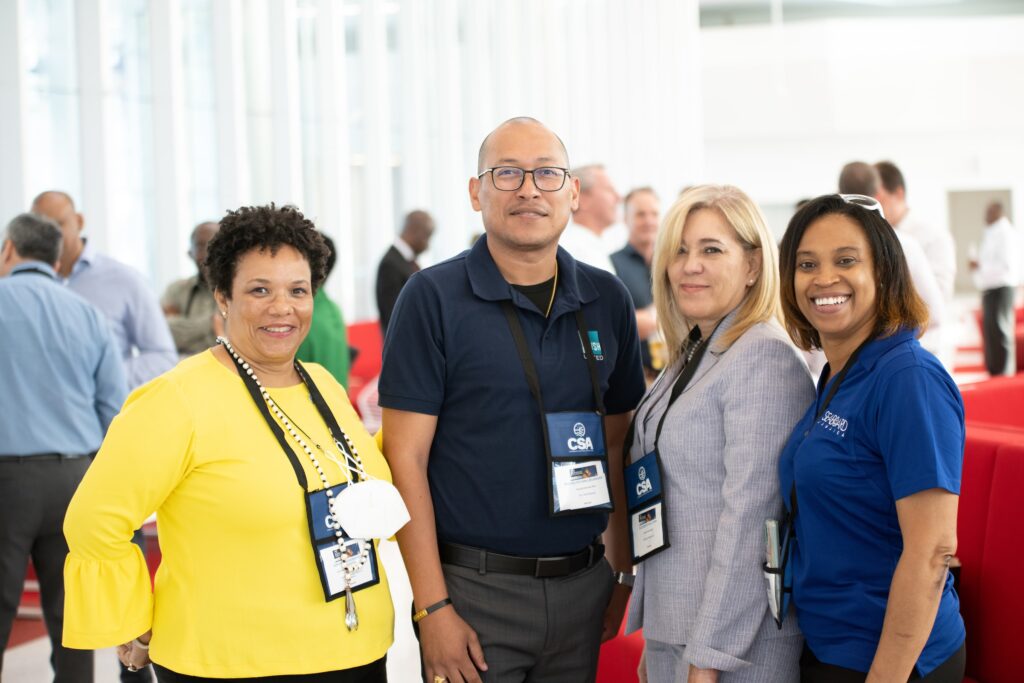
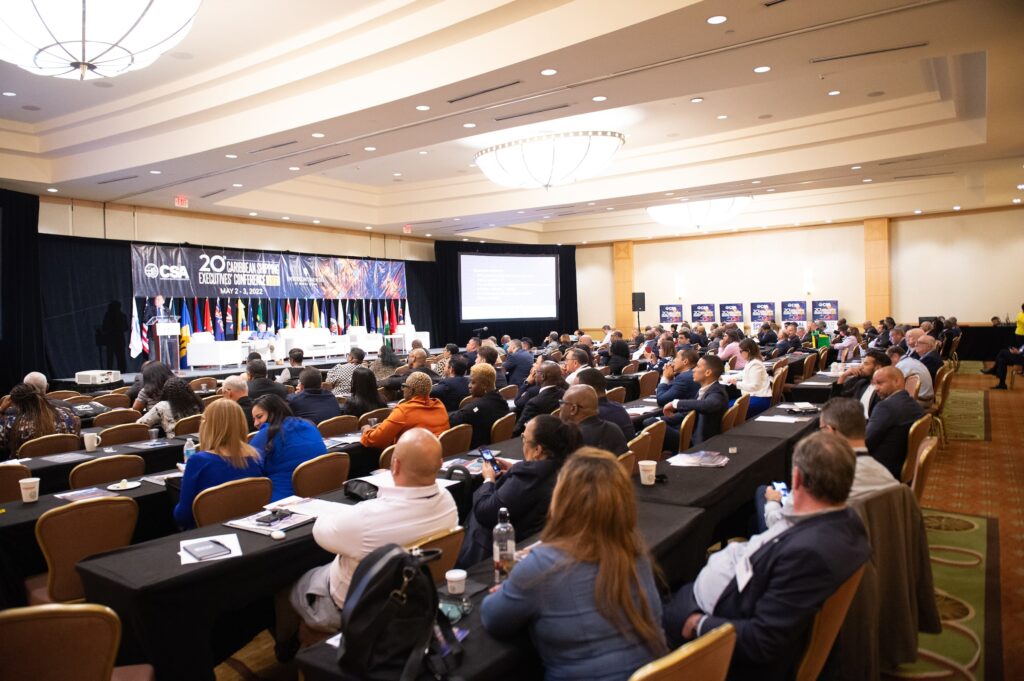
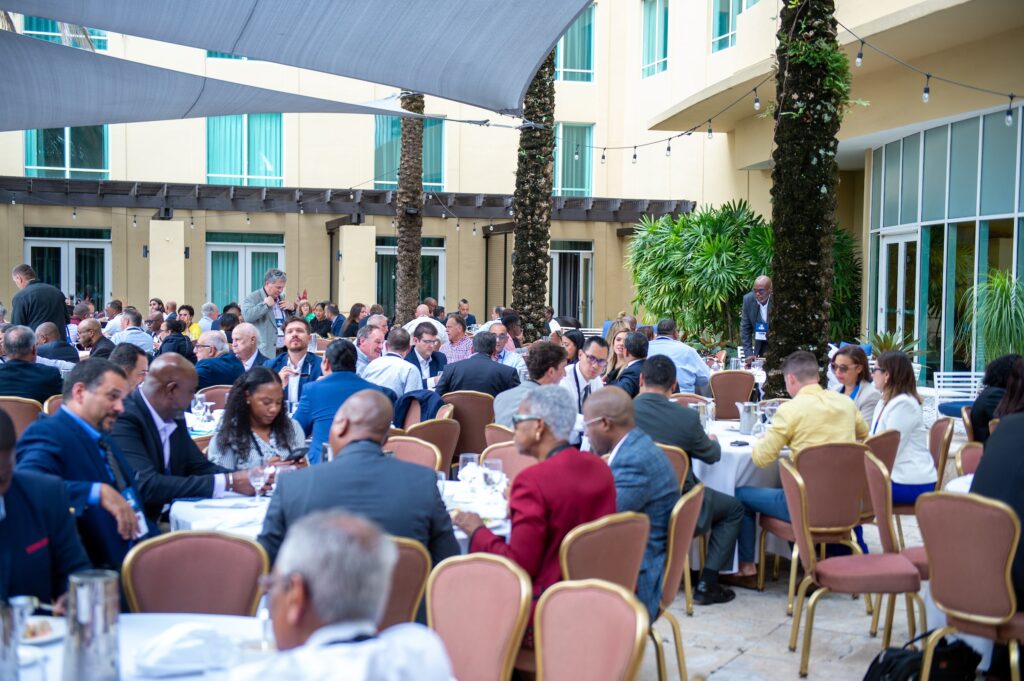
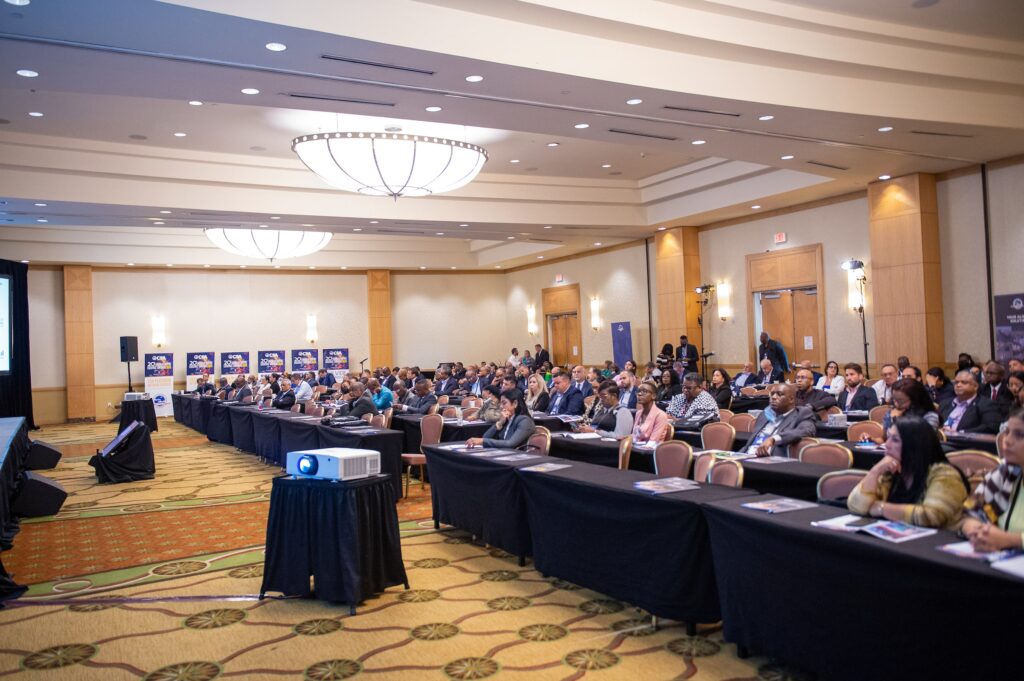
The Caribbean Shipping Executives’ Conference (CSEC) of the Caribbean Shipping Association (CSA) began its mid-year conference in Doral, Miami on Monday, May 2 as delegates were urged to ‘put people first’ to improve company culture and overall performance.
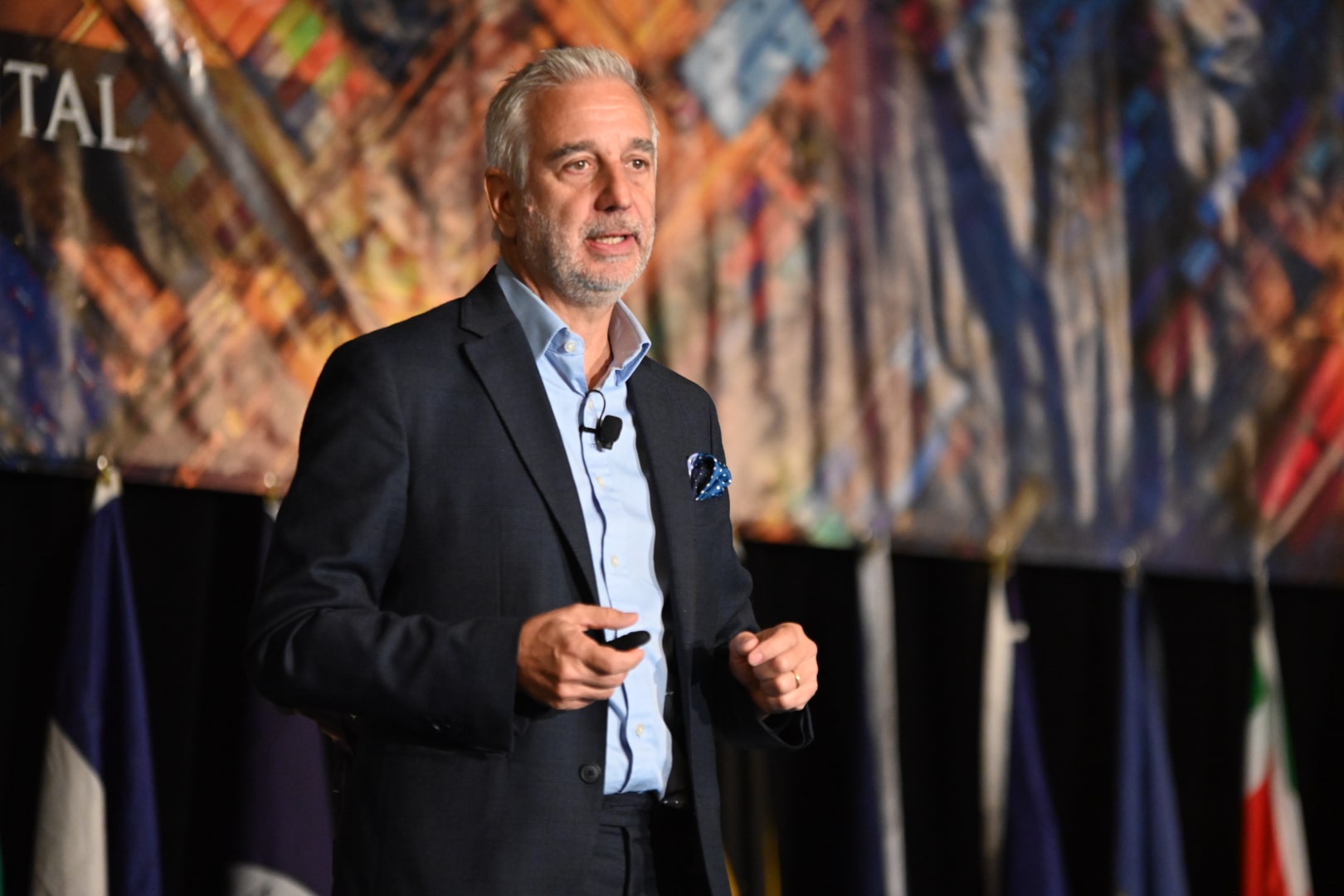
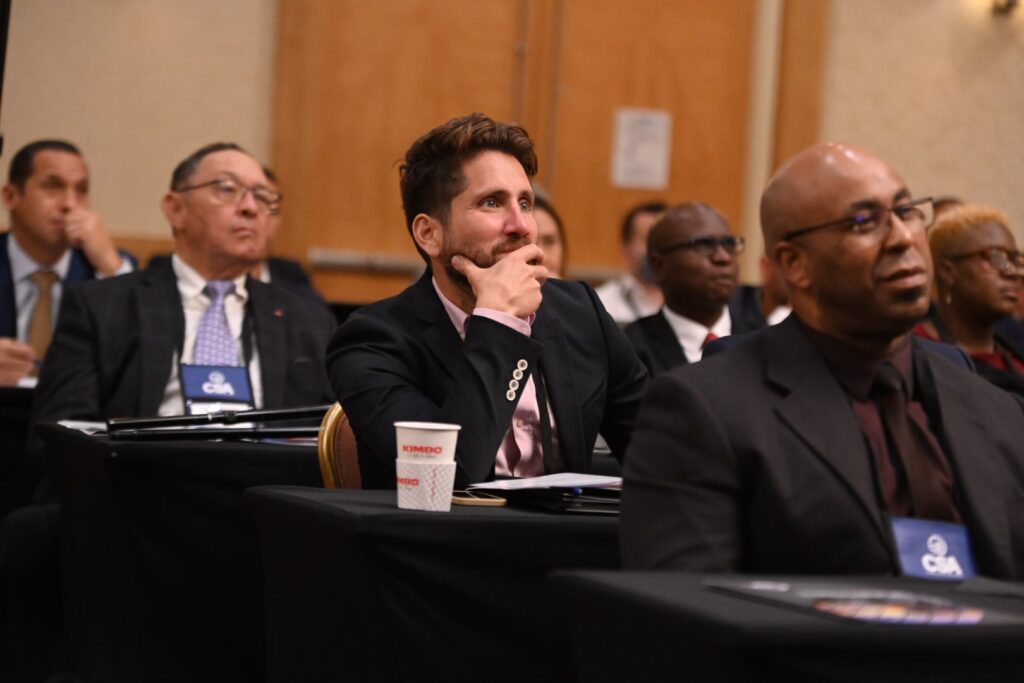
That was the message delivered by the conference’s keynote speaker, author and leadership expert, Eduardo Braun, to over 250 shipping executives at the InterContinental Hotel during the CSEC’s 20th staging.
Braun’s presentation on “People First Leadership: Chief Emotions Officer” encouraged attendees to “be the new CEOs” or ‘chief emotions officers’ to influence an organization’s culture and multiply its results. Adding leadership is anchored by culture which includes vision, people, communication, and decision-making, he shared “every human being has the power to change their culture”, even though some have more authority and people reporting to them.
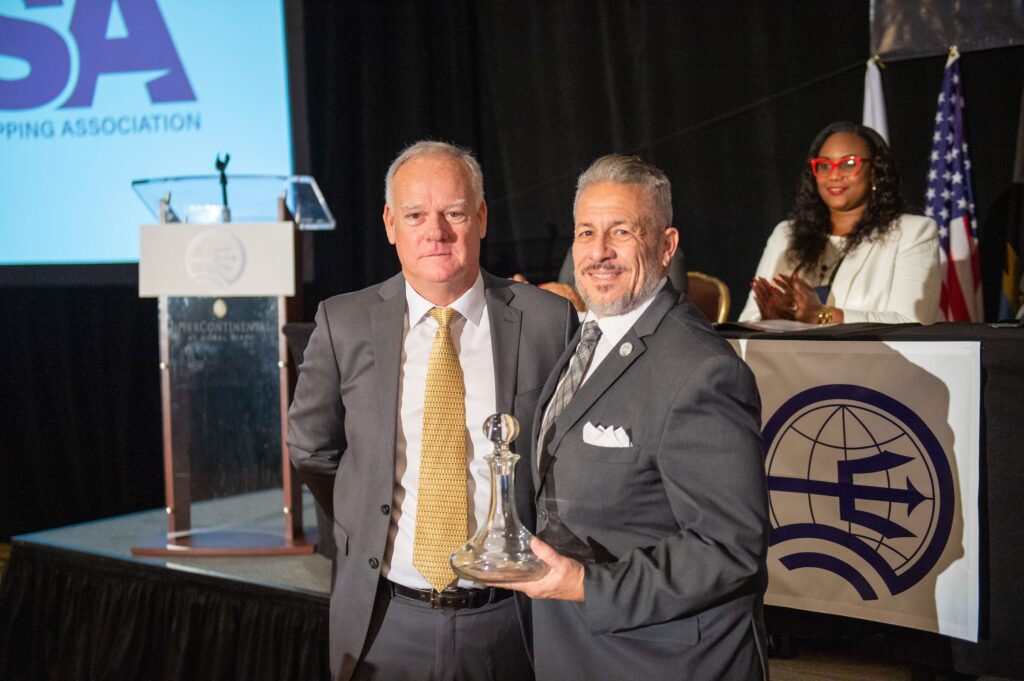
Earlier in the day, CSA President Marc Sampson, during his welcome address, said the shipping sector continues to redefine ‘essential’ throughout the coronavirus pandemic, at a time when its impact is most evident. “The CSEC’s longevity and continued relevance are testament to the role that the Association has played in advancing the regional shipping industry since its establishment,” he added.
Sampson said the two-day programme represented issues facing the maritime industry, while noting that the collective decisions taken now will have increasing weight in the coming years. “More importantly, the respective sessions will allow us to get diverse perspectives and pragmatic solutions on how to deal with these varied issues,” he said.
He continued, “Our vision of the CSA, and by extension, the industry, is one of continued innovation, evolution and sustainability. Our collective efforts to keep the cogs of the international trade machinery going are often unrecognized, but no less important in an increasingly globalized environment.”
Sampson also led a moment of silence for late shipping icons and CSA stalwarts Harriat Maragh, Robert Bell and Nathan Dundas who passed over the previous year.
CSEC HIGHLIGHTS – Day 1
The other major topics of the conference’s first day included ‘The Importance of Shipping Organisations in Unifying and Advancing Private Maritime Law and Practice’, delivered by Najla King, maritime and blue economy specialist; Future Dredging Plans: ‘Enhancing Safety of Shipping and Facilitate Economic Development,’ presented by Michael Amafo, director of the Maritime Authority Suriname; and ‘Cargo Flows in the Caribbean; Challenges and Opportunities’, presented by consultant Ricardo Sanchez and moderated by Philip Gray, partner at Grayship.
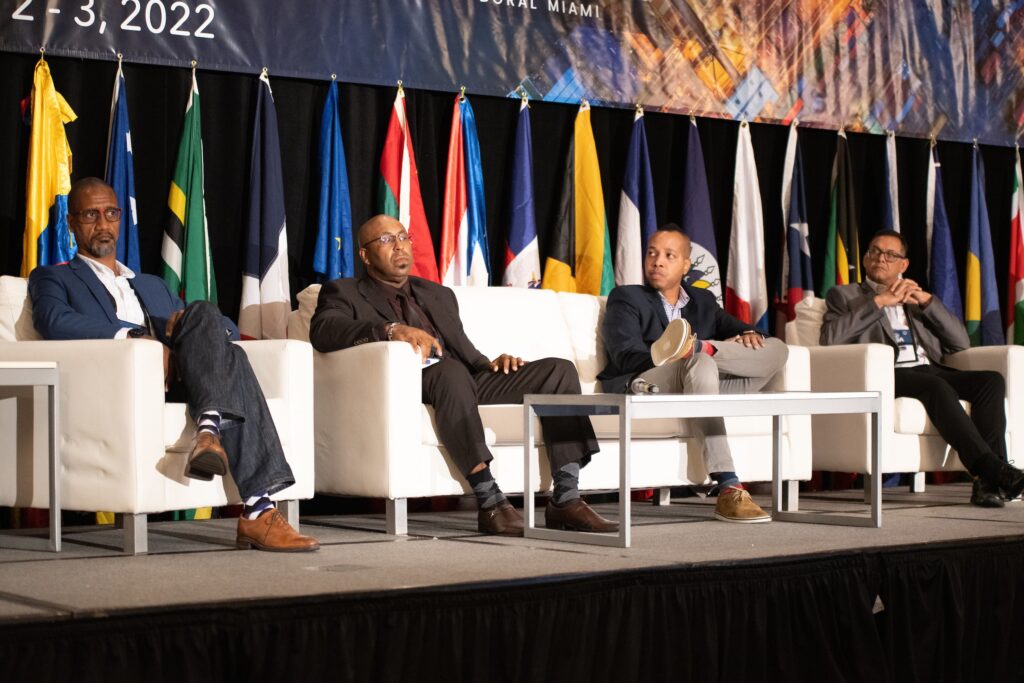
There was also a panel discussion on ‘Beyond the Pandemic – The Role of ICT in The Shipping Industry’, which featured Andre Williams, chief information officer at Jamaica Customs Agency; Rhett Chee Ping, managing director of Gordon Grant; Dwain Powell, director of the Port Community System Operator, The Port Authority of Jamaica; and Glaister Leslie, consulting manager at Voiant; John Gibson, senior manager at Victoria Mutual Group. The session was moderated by CEO of Advantum, Frances Yeo.
The CSEC, which is the Association’s first in-person conference since its 2019 staging in Jamaica, was moderated by CSA General Manager Milaika Capella Ras, with the vote of thanks delivered by CSA Vice-President and president of the Shipping Association of Jamaica, William Brown.
CSEC HIGHLIGHTS – Day 2
The second day’s discussion began with the ‘Electronic Bill of Lading – Digitizing Documentation In Our Industry’, which was delivered by Roman Ramirez, sales operations director at ZIM Integrated Shipping Services Limited. Encouraging more entities to embrace digitization, he said the process has several advantages including simplifying processes, reducing costs, and promoting sustainability by reducing the use of paper globally.
That session was followed by an engaging conversation around ‘Mentorship and Woman Equality’ in the shipping industry, and the role play by those employed in it. The panel included Jennifer Nugent-Hill, director of Governmental and Community Affairs at Tropical Shipping; Tamara Lowe, president of Women in Maritime Association Caribbean (WiMAC); Professor Opal Palmer Adisa of Adisa Consultancy; and Wendy Fox, accounting general manager at Tropical Shipping. The session was moderated by Corah Ann Robertson Sylvester, CEO at Seaboard Jamaica and CSA past president.
In her presentation, Professor Palmer noted that there are generally few women in top administrative positions and that they often feel isolated and can easily be singled out. She said effectively negotiating the “gender minefield” includes being aware of internalized biases, working to unlearn old gender dynamics and seeking out other successful women to learn from.
On the topic of ‘The Ongoing Cyber Disconnect: Why Maritime Leaders Need To Take Action Now’, presenters Chris Bhatt, chief commercial officer at Transportation & Logistics Aon; Scott Dickerson, global cyber ambassador for CMA CGM; and moderator Max Bobys, vice-president of HudsonCyber, said the impact of cyberattacks is costly, disruptive to operations and has the potential to create further liability when sensitive data is breached. They said cyber risk efforts need the engagement of teams, beginning with leaders in every area of the organizations.
The technology dialogue continued with a presentation on ‘Smart Ports: Working on Sustainable Development of Ports’ by Andy Hecker, managing port director and chief financial officer of PortMiami, and moderated by Albert Elens, managing director of Maduro Shipping. Hecker said a smart port is more than the incorporation of technology, digitalization and artificial intelligence, and must offer a secure supply chain, cargo visibility, cost-competitiveness and be environmentally sustainable.
A concentrated panel discussion on ‘The Effect of the Global Crisis on The Caribbean; The COVID-19 Pandemic and the Looming War Escalation in Ukraine’ followed. The panel included speakers Dr Jean-Paul Rodrigue, professor at The Hofstra University New York; Philip Gray, partner at Grayship; Mike Maura, CEO and director at Nassau Cruise Port Limited; and Donald Brown, vice-president for maritime policy at Cruise Lines International Association. The session was moderated by Mark Williams, CEO of Kingston Wharves Limited, and CSA Group B chairman. In his presentation, Gray noted that the dominant drivers of increased freight rates and carrier profits over the past two years have been container system inefficiencies, disruptions and port congestion, which were further impacted by pandemic restrictions.
Despite those shortcomings, Maura noted that the cruise industry’s recovery continues with over six million cruise passengers visiting the Caribbean since June 2021, and cruise lines reporting that demand which exceeds 2019 levels.
The day’s presentations ended with a discussion on trade facilitation by Dr Patrick Antoine, technical director of CARICOM Private Sector Organization, who said the current state of play is characterized by lengthy and cumbersome border procedures, high freight costs, low levels of port efficiency and operational capacity, and inadequate safety and security for the informal shipping sector. He also noted that transportation and logistics forms a significant component of regional supply chains as it affects efficiency and cost structures of businesses.
The Association will stage its next meeting in San Juan, Puerto Rico in October 2022.
ABOUT THE CSA
The CSA is widely regarded as the voice of the Caribbean shipping industry and was established in 1971 to facilitate development of an efficient, viable Caribbean shipping industry.






Related posts

Celebrating International Women’s Day! #EmbraceEquity
The Caribbean Shipping Association (CSA) is committed to promoting gender parity

IMO calls on maritime industry to prioritise gender equality
International Maritime Organization (IMO) Secretary General Arsenio Dominguez ur

CSA execs tour DP World at Dominican Republic; discuss future plans and training opportunities
Representatives of the Caribbean Shipping Association’s (CSA) General Council