
Global Trade Recovery Threatened by Shipping Route Disruptions – UNCTAD
Ongoing disruptions to crucial shipping routes continue to cast a shadow over the anticipated rebound of global trade following consecutive quarters of decline.
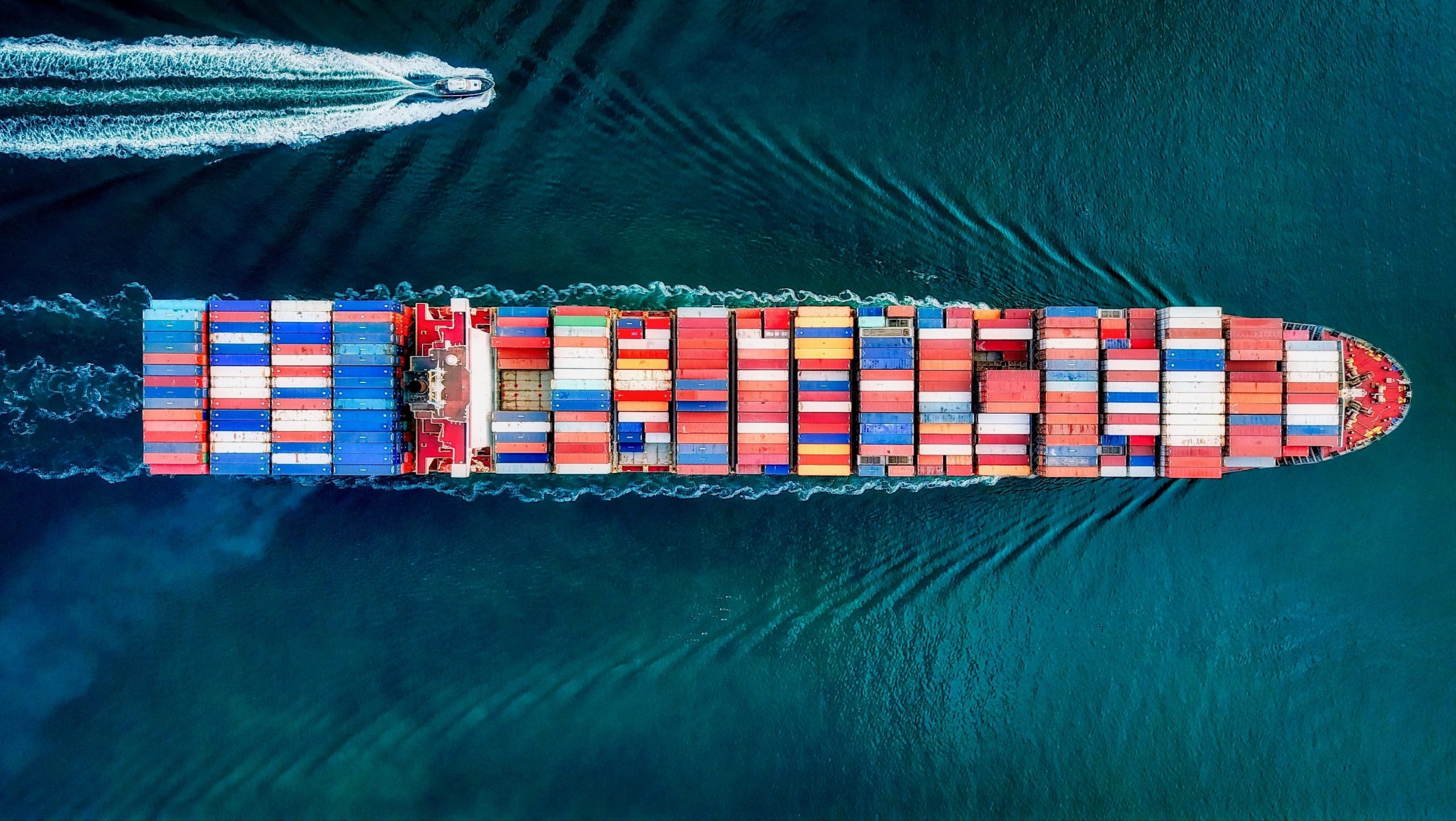
The latest Global Trade Update by the United Nations Conference on Trade and Development (UNCTAD) warns of logistical hurdles stemming from disturbances in key maritime pathways, such as the Panama Canal. These disruptions threaten to escalate expenses and destabilize supply chains, hampering the optimistic outlook for 2024.
In 2023, international trade witnessed a significant setback, with a three per cent decline equating to nearly US$1 trillion, primarily attributed to a five percent slump in goods trading.
Amid this downturn, there were glimmers of positivity, with an eight per cent increase in service trade and 40 per cent improvement in tourism and travel-related services in the aftermath of the pandemic.
UNCTAD’s recent release revealed the divergent trade trajectories between developing and developed nations in 2023. Developing countries bore the brunt, experiencing a four per cent drop in imports and a seven per cent decline in exports compared to their developed counterparts.
This trend is worsened by concurrent disruptions in major global maritime passages, with the Red Sea and Black Sea facing security concerns and the Panama Canal grappling with climate-induced droughts. Such disruptions have led to a substantial decline in monthly transits through both the Suez and Panama Canals, exceeding 40 per cent from peak volumes.
The fourth quarter of 2023 marked a shift, with merchandise and service trade stabilizing, particularly in regions like Africa, East Asia, and South Asia.
Despite signs of improvement in the first quarter of 2024, underscored by moderating global inflation and bolstered economic growth forecasts, geopolitical tensions and supply chain hiccups persist as pivotal influencers. UNCTAD emphasized the need for ongoing vigilance, particularly regarding shipping route disruptions and climate-related challenges, which could inflate costs, prolong voyage times, and disrupt supply chains.
UNCTAD remains committed to fostering fair and effective participation of developing countries in the global economy. By providing analysis, fostering consensus-building, and offering technical assistance, it aims to equip nations to navigate the benefits and drawbacks of economic integration, fostering inclusive and sustainable development.
Related posts

GALLERY: Highlights from the Caribbean Shipping Association Gala Night!
It’s the highlights you have been waiting for. Enjoy these beautiful snaps

GALLERY: CSA’s 53rd AGM Gala
Your passport to the Caribbean Shipping Association’s 53rd Annual General

CSA’s 53rd AGM – The Official Opening (Gallery)
The Caribbean Shipping Association’s 53rd Annual General Meeting, Conferen